Desi Ghee ki Pehchan: How to Check at Home
Desi ghee ki pehchan made simple: the label, seller and price checks, the home checks that give useful clues, the popular tests that mislead, and what only a lab can tell you.

Ghunzakhi is a homemade Pashtun sweet of fried, ridged dough. Here is what it is called in English, Urdu and Pashto, how it is made, and why in many Pashtun families a daughter carries it back to her in-laws.
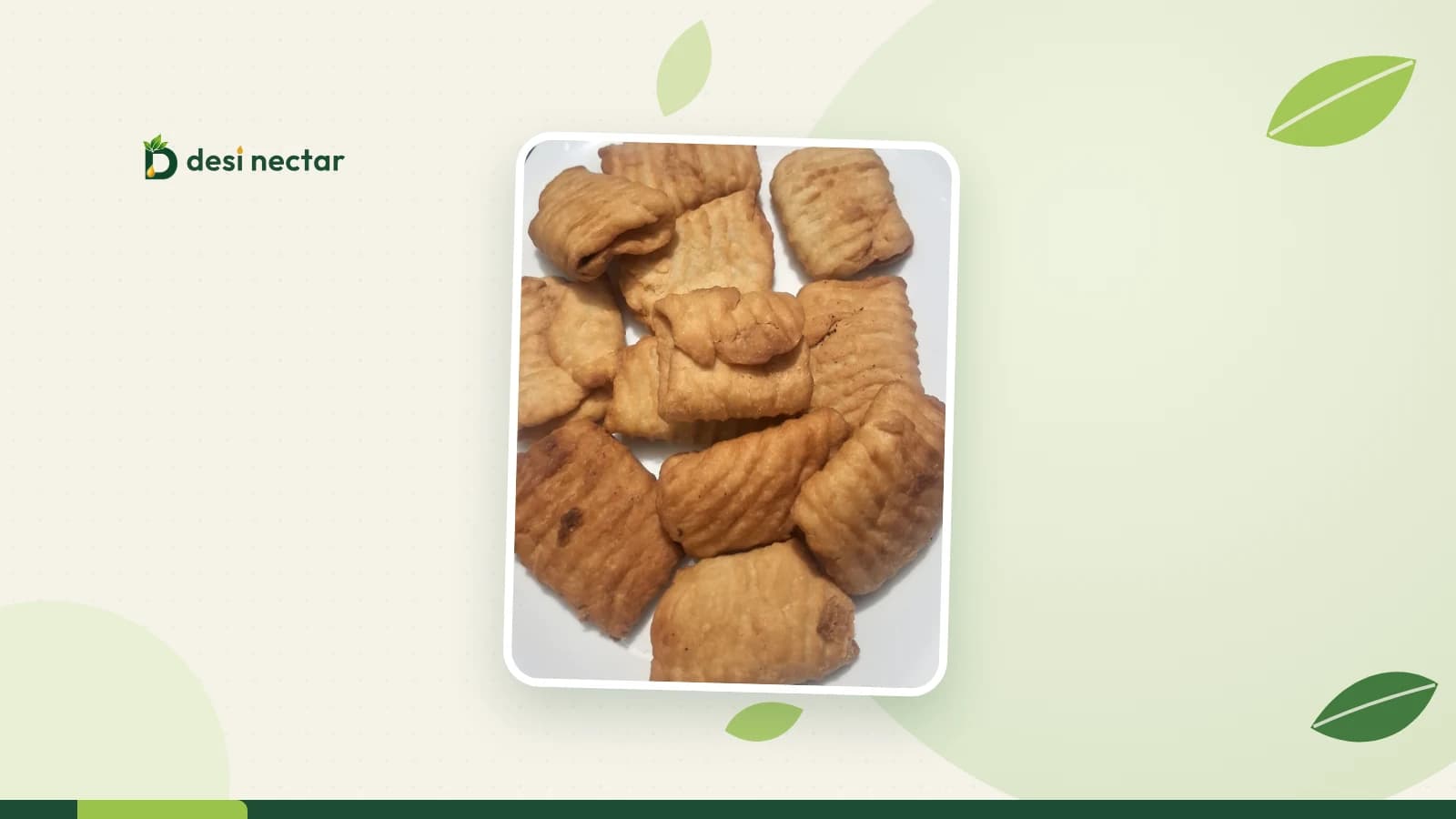
What is Ghunzakhi? It is a homemade Pashtun sweet: small pieces of sweetened dough, pressed for ridges and fried until golden. Many families in Khyber Pakhtunkhwa make it at home, and it carries a story. In many Pashtun families, when a daughter or sister goes back from her parents' home to her in-laws, she takes a box of Ghunzakhi with her, and it is shared with relatives and neighbours. This guide explains the names, the look and taste, how it is made, and the tradition behind it.
There is no exact English word for it. People usually describe it as a Pashtun fried sweet or a traditional Pashtun cookie. The names change with region and language:
The date-fruit mix-up: Khajoor is also the Urdu word for the date fruit, so searches often get confused. Ghunzakhi is not made from dates. The name most likely comes from its ridged, date-like shape, though this is a common explanation rather than a settled fact.
Ghunzakhi pieces are golden brown, a little longer than a finger joint, with fine ridges running across the top. Many pieces are folded or curled at the edges, so no two look exactly alike. That handmade look is part of the charm.
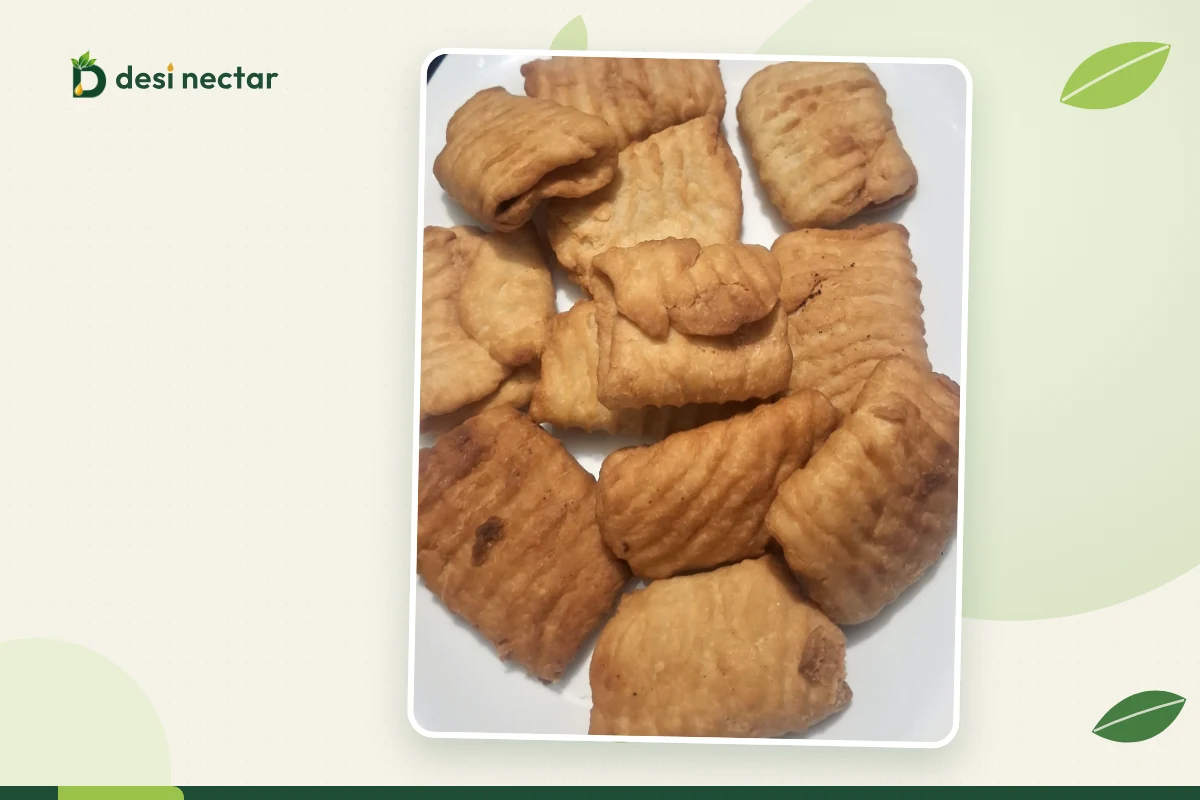
The taste is simple: sweet, with a crisp bite outside and a firmer centre. It is not sticky or syrupy like jalebi. Because it is dry, it travels well in a tin or box, which is one reason it suits being carried from one home to another.
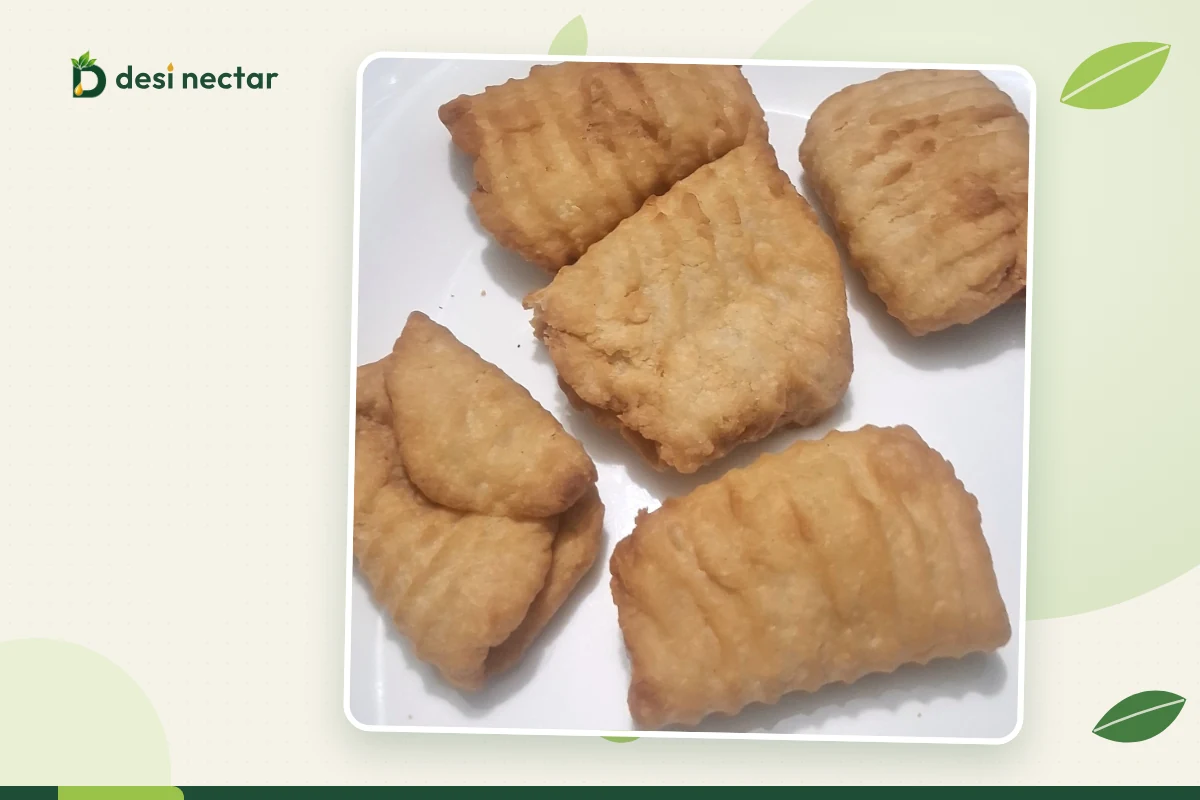
The general method, as shown in many home recipes, goes like this:
Recipes differ from family to family. Some homes use sugar, some use gur, and some add milk to the dough. We will share a full step-by-step recipe in a later post in this series.
This is the heart of Ghunzakhi.
In many Pashtun families, a married daughter visits her parents' home, the "plar kor" or father's house, and stays for a few days. When it is time for her to return to her husband's home, her mother and the women of the house prepare Ghunzakhi for her. It is packed in a box, a tin or a cloth bundle, and the daughter carries it back to her in-laws. The same is done for a sister returning to her own home.
What happens next is just as important. At the in-laws' home, relatives and neighbours know she has come back from her parents' house, and many wait for the Ghunzakhi. It is not kept for one household. It is shared: a few pieces go to an aunt, a plate goes to the neighbours, the children get their portion. A sweet made in one kitchen ends up in many homes.
The meaning is plain and warm:
The custom is mentioned in a few public sources. The Wikipedia entry on Ghunzakhi says it is served to married sisters and daughters returning to their husbands' homes. A 2024 discussion on a Pashtun community forum describes sending Ghunzakhi with a new bride after she visits her father's house, calling it an old Yousafzai tradition. These are short mentions, and customs differ by area and family. If your family does it differently, that is part of the same living tradition.
Ghunzakhi is also a sweet for guests. A 2015 report in The Express Tribune described it being presented to guests at a girl's wedding in Bajaur. Across the border, many Afghan home recipes for khajoor are shared as Eid sweets, which suggests a similar place on festive tables. On any of these days, a plate of Ghunzakhi next to the tea is a simple way to welcome people.
Ghunzakhi and tea belong together. Two easy pairings:
You can also browse all teas and beverages.
If you cannot make it at home, or you want a box for a family visit, Desi Nectar offers homemade Ghunzakhi:
See the product here: homemade Ghunzakhi 2.5 kg.
How to order: add it to your basket on the website, or message us on WhatsApp at 0305 5928890. See how to order on WhatsApp. For the delivery charge, see the charge at checkout or ask on WhatsApp 0305 5928890.
Related links:
Send it to someone who’d find it useful.
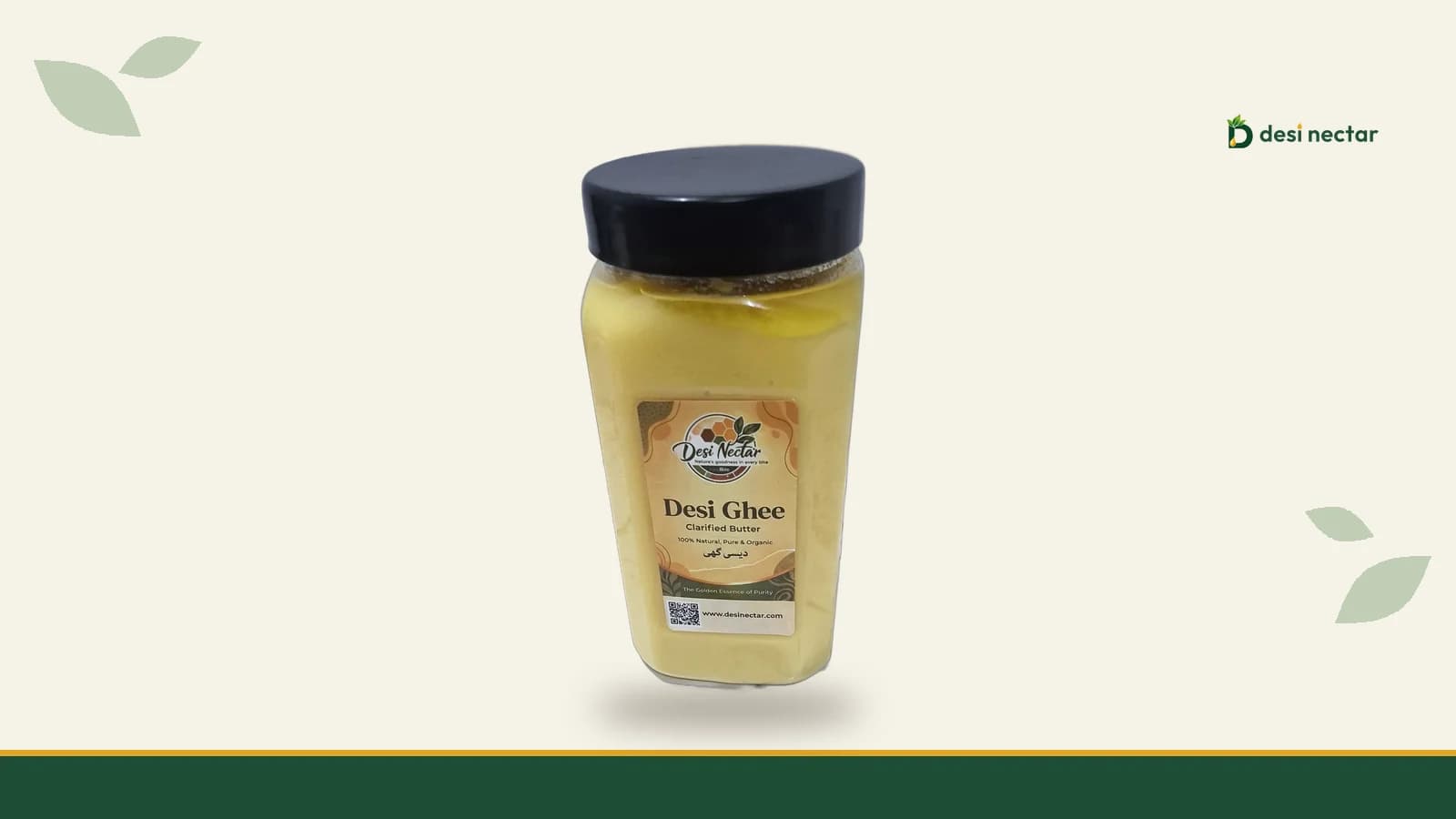
Desi ghee ki pehchan made simple: the label, seller and price checks, the home checks that give useful clues, the popular tests that mislead, and what only a lab can tell you.
A simple guide to storing shilajit resin in a Pakistani home, why it goes hard in winter, how to soften a hard jar safely, and whether it needs the fridge.
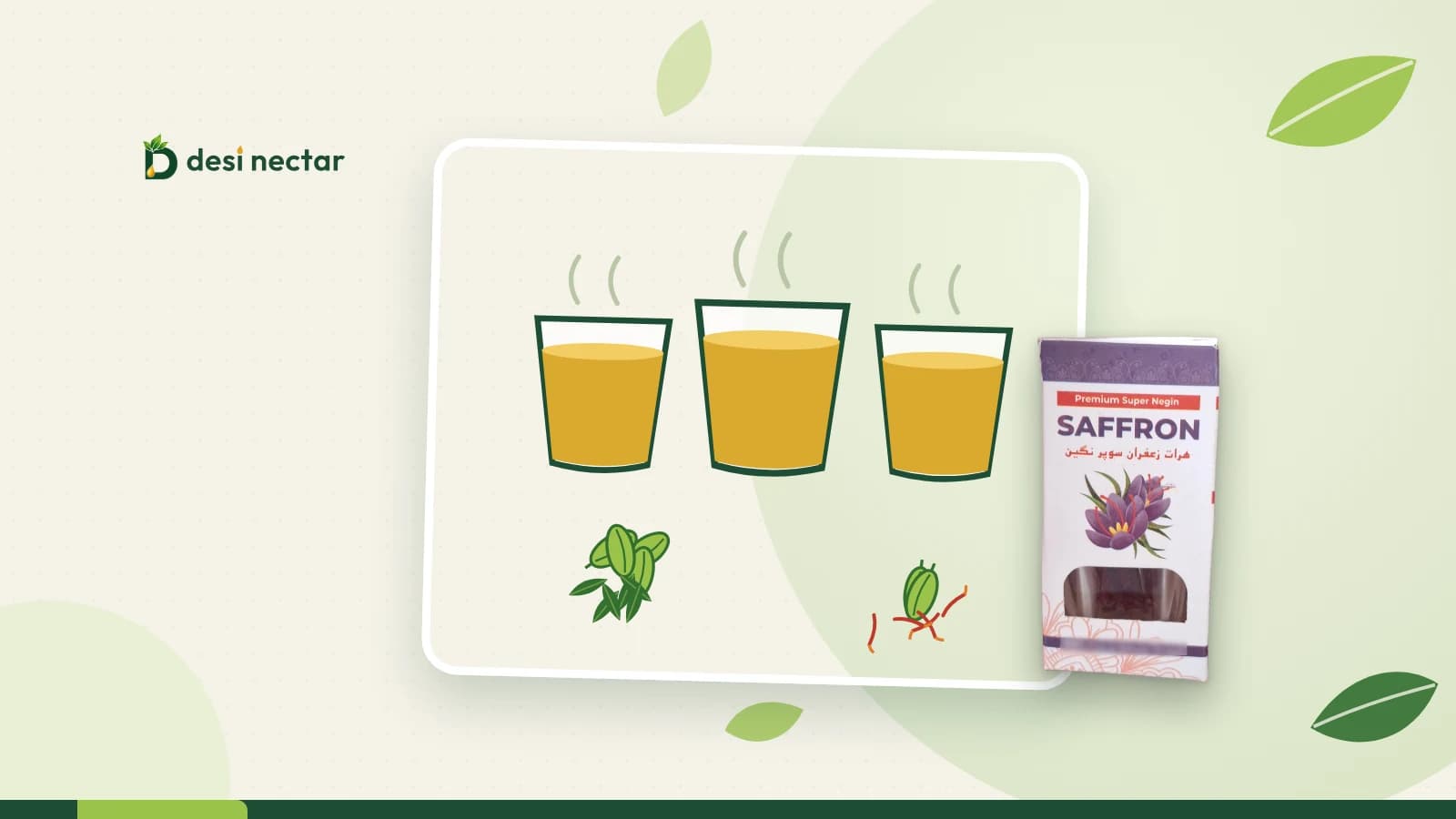
The Peshawar way to make kahwa: exact amounts per cup and for a pot of guests, the one mistake that makes it bitter, and a saffron "guest cup" for special evenings.