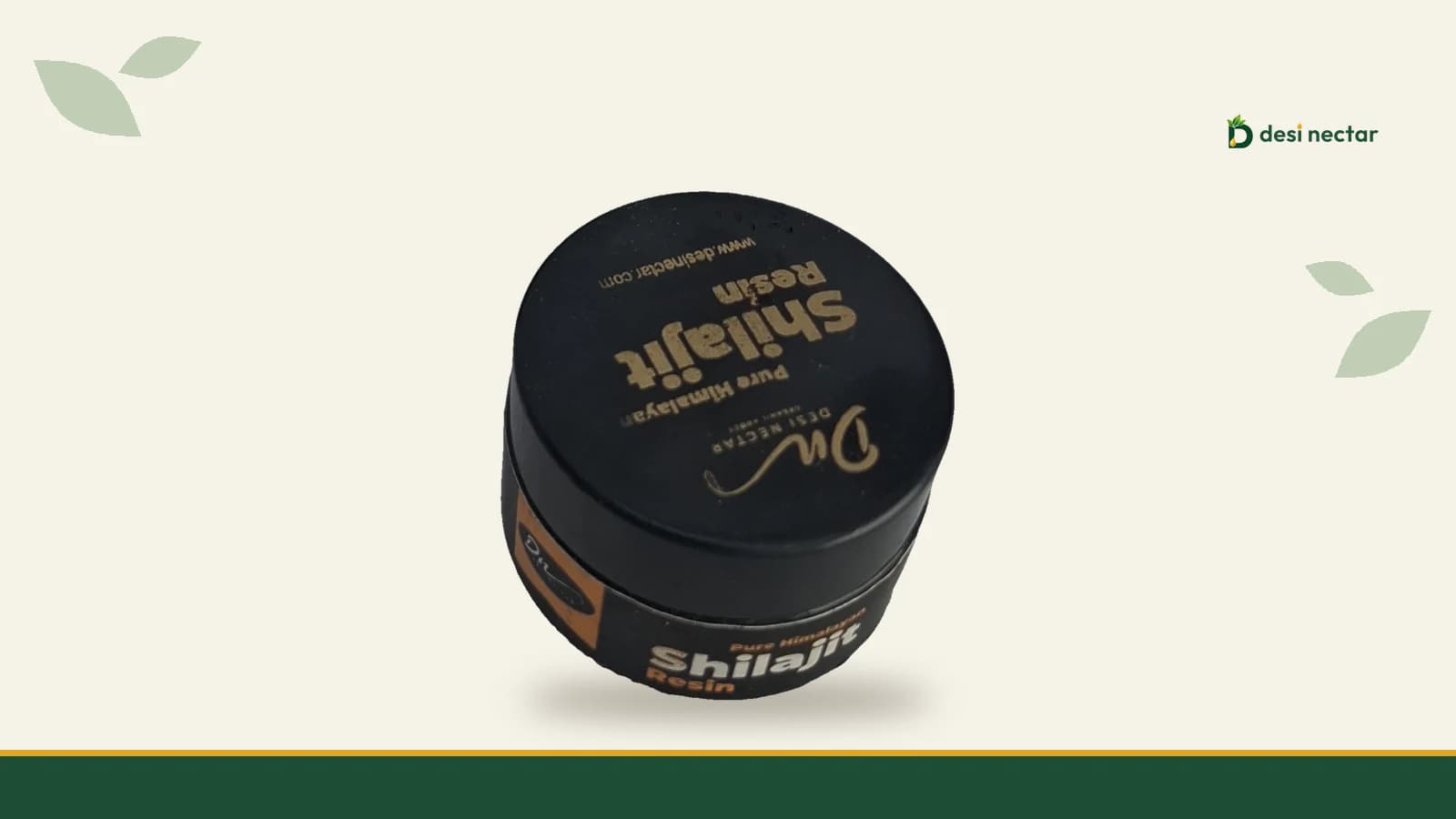
If you have just bought a jar of shilajit, or you opened your jar this week and found it hard as a rock, you are not alone. Knowing how to store shilajit properly is simple. You need a closed lid, a dry spoon and a cool cupboard. This guide explains where to keep the jar in a Pakistani home, why shilajit resin goes hard in winter, how to soften it safely, and whether it belongs in the fridge.
How to store shilajit: the short answer
- Keep the lid tightly closed after every use.
- Store the jar in a cool, dry place, away from direct sunlight and away from the stove.
- Use a clean, dry spoon every time. Never a wet or used spoon.
- Keep the jar out of reach of children.
This is the same storage advice printed on our Desi Nectar shilajit resin page. Most problems people have with shilajit come from water getting into the jar, or the jar sitting somewhere too hot.
Where to keep the jar in a Pakistani home
A closed kitchen cupboard or a bedroom drawer works well. Choose a spot that stays at a steady room temperature.
Good places:
- A kitchen cupboard on the side away from the stove
- A drawer or shelf in a cupboard in your room
- Next to your other dry goods, like tea and spices
Places to avoid:
- A sunny windowsill
- The shelf right above the stove or next to the oven
- The bathroom, where steam and humidity build up
- The car dashboard or glove box, especially in a Lahore or Multan summer
In humid cities like Karachi, the main thing is a tight lid. Humid air can make the top layer sticky. Wipe the rim of the jar with a dry tissue before closing it so the lid seals well.
In the north, in places like Gilgit, Swat or Murree, the resin will be firm most of the winter. That is fine. Keep reading for how to soften it.
Why is my shilajit hard?
Shilajit resin reacts to temperature. It gets firmer in the cold and softer in the warmth. In December and January it can feel as hard as a stone. In June it can feel soft and sticky. Both are normal for resin.
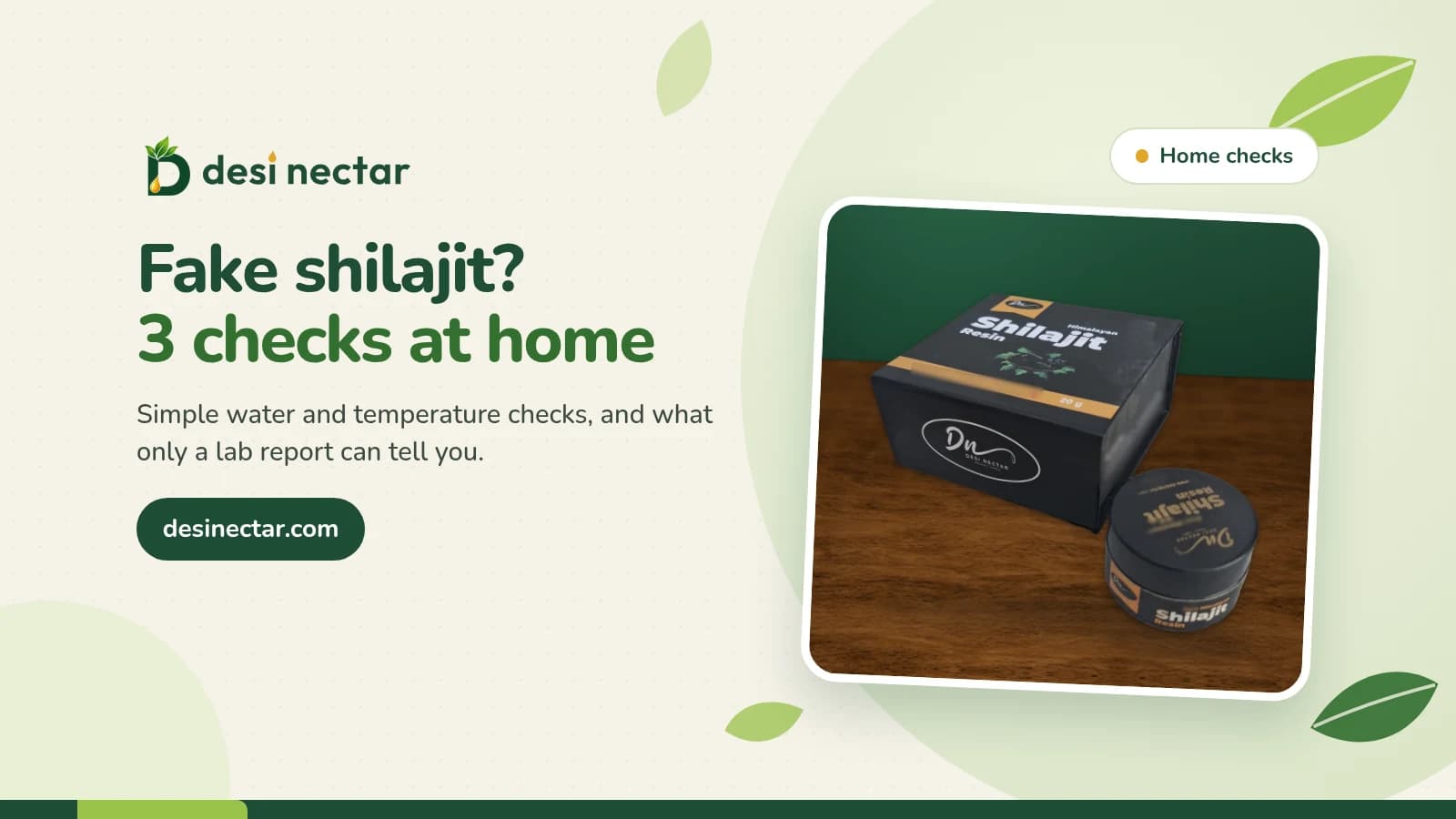
Hardness tells you about the room temperature, not about the quality of the shilajit. Some sellers online call a "hard in the cold, soft in the heat" check a purity test. It isn't one, and you should not use it to judge a jar. If you want to know more about checking shilajit at home, read our guide on how to check shilajit at home, and keep in mind that home checks are only indicators.
Honey behaves in a similar way in the cold. Here is our note on why honey firms up in winter.
How to soften hard shilajit safely
You do not need to heat shilajit much. A little warmth is enough. Try these, from gentlest to strongest:
- Warm it in your hand. Hold the closed jar in your palm for a minute or two. This is often enough to take a small portion.
- Use a warm-water bowl. Fill a bowl with warm water, not boiling, about as warm as you would use for washing your hands. Stand the closed jar upright in it for 2 to 5 minutes. Keep the lid above the water. Then lift it out and dry the outside of the jar completely before you open it.
- Warm the spoon. Dip a steel spoon in hot water, dry it fully with a clean cloth, then use the warm, dry spoon to scoop the resin.
Never do these:
- Never microwave the jar.
- Never put the jar over a flame or on the stove.
- Never pour water into the jar.
- Never leave the jar sitting in water for a long time.
Water inside the jar is the main thing that spoils shilajit, so the outside must always be dry before you open the lid.
Soft or runny in summer?
In a hot room the resin can become soft and stringy. This is also normal. Move the jar to a cooler cupboard, away from walls that get afternoon sun. Wipe the rim before closing so the lid seals properly. If you need a firmer piece, put the closed jar in a cool spot for a short while before use.
Should you keep shilajit in the fridge?
It is not needed. A cool, dry cupboard is enough. The fridge makes the resin very hard, and a cold jar opened in a warm room can collect drops of moisture on the inside.
If you live somewhere very hot and still choose the fridge, keep the lid tightly closed. Take the jar out and let it come to room temperature with the lid still closed before you open it. Then put it back quickly.
Does shilajit expire?
Follow the date printed on the jar. That is the guide to use.
Stop using a jar if you notice any of these:
- Water or liquid sitting inside the jar
- Mould, white fuzz or spots on the surface
- A sour or musty smell that wasn't there when you opened it
If you see any of these, contact the seller.
How long will your jar last?
Our product page gives a simple portion guide. One portion is pea-sized, roughly 300 to 500 mg, taken with the spoon in the pack.
- A 20 g jar gives about 40 to 65 portions. At one portion a day, that is roughly 40 to 65 days.
- A 10 g jar gives about half that, roughly 20 to 30 portions.
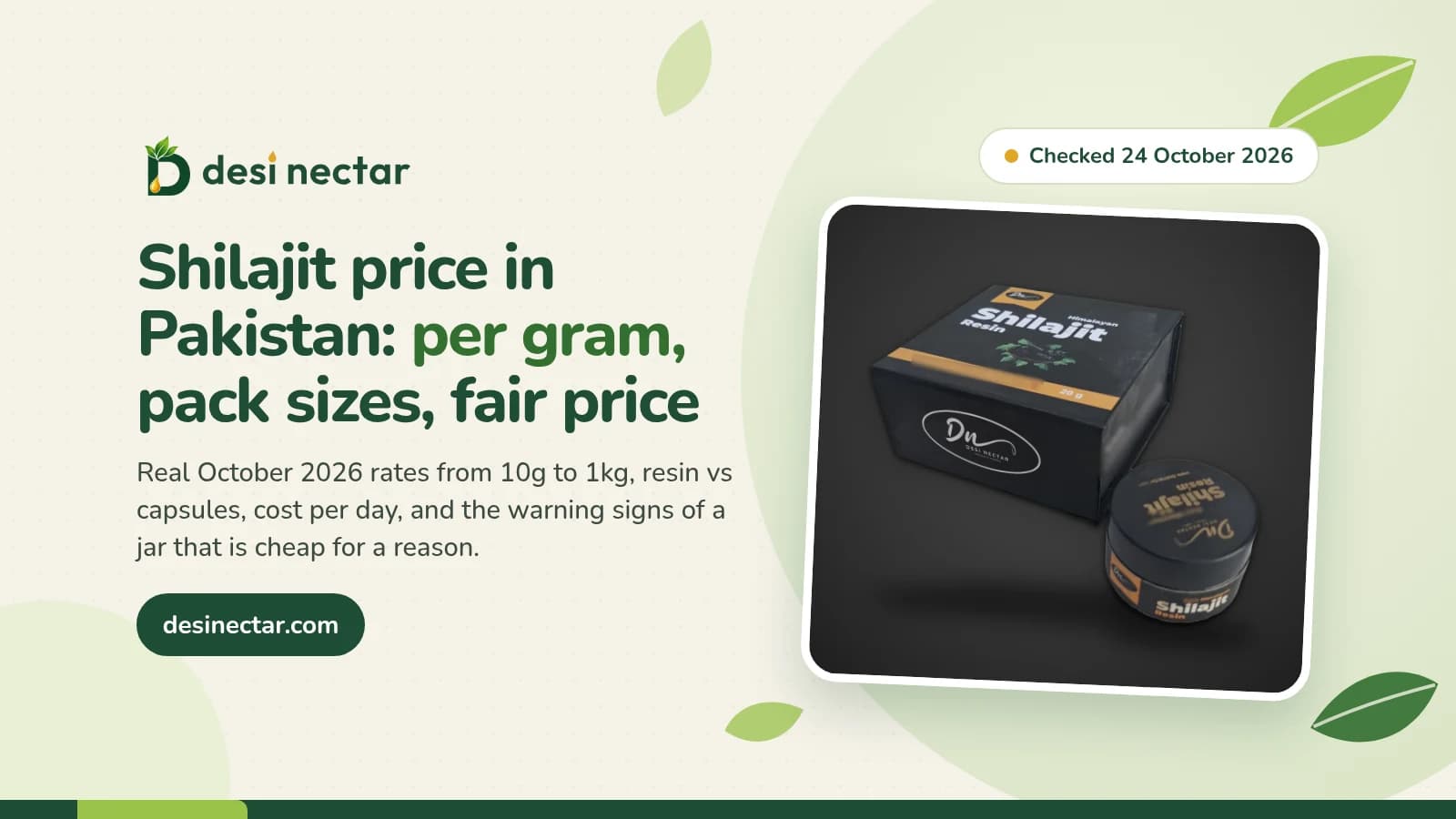
Good storage just means the jar stays easy to use from the first portion to the last. You can see current prices and jar sizes in our shilajit price in Pakistan guide.
Using it day to day
- If the resin is hard, warm the closed jar first.
- Take a pea-sized portion with a dry spoon.
- Stir it into a cup of warm milk, water or green tea in a separate cup until it dissolves. Use warm liquid, not boiling.
- Close the lid straight away and put the jar back in the cupboard.
Shilajit is a traditional food product, not a medicine. If you are pregnant, breastfeeding or take any medication, consult a doctor before use.
Order Desi Nectar shilajit resin
Our Desi Nectar shilajit resin comes in 10 g and 20 g jars. You can order on the website or on WhatsApp at 0305 5928890. WhatsApp orders get an order number. You can pay cash on delivery anywhere in Pakistan, or pay online to our account (we share the details on WhatsApp). Delivery charges are shown at checkout, or you can ask us on WhatsApp. Here is how to order from Desi Nectar on WhatsApp.
More to read: all shilajit guides · desi ghee cooking and storage guide · vitamins and supplements
Enjoyed this? Share it.Send it to someone who’d find it useful.